Perspective
Press
In The Independent: Where have all the brand mascots gone?
Tamara Connolly
– August 29, 2024
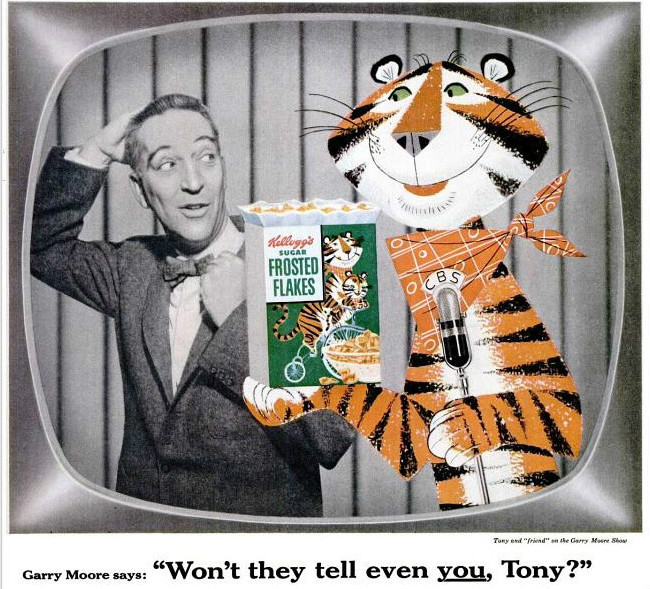
It’s a question that’s been quietly lingering in the minds of many: what happened to the once-ubiquitous faces of our favourite food brands? From Ronald McDonald to Uncle Ben, the mascots that once dominated supermarket shelves and TV screens seem to have vanished.
The Independent explored this very topic – and turned to our Director, Tamara Connolly, for insight into the cultural shifts behind the mascot’s retreat and what might come next.
The Rise and Fall of the Mascot
Brand mascots have long been a tool for emotional connection. Whether it was the cheerful jingle of Coco the Monkey or the reassuring smile of Tony the Tiger, these characters were designed to appeal to children and evoke nostalgia in adults. But over time, the cultural climate changed.
As Tamara explained, the 1990s ushered in a new era of brand communication—one that prioritised authenticity, transparency, and real human connection. Mascots, once seen as charming, began to feel like a mask. Consumers wanted to hear from real people, not cartoon characters.
Cultural Shifts and Controversies
The decline of the mascot wasn’t just about changing tastes. It was also about changing values. Some mascots, like Uncle Ben, were retired in response to growing awareness of racial stereotypes and the need for more inclusive representation. Others, like Ronald McDonald, fell victim to cultural recontextualization, becoming symbols of unease rather than joy in the age of viral memes and horror tropes.
As Tamara noted, the mascot’s fall from grace reflects a broader cultural reckoning with the symbols we once took for granted.
Are Mascots Making a Comeback?
Despite their retreat from the mainstream, mascots aren’t gone for good. In fact, Tamara sees signs of a resurgence – particularly among smaller, independent brands. These businesses are more agile, more willing to take creative risks, and more attuned to the emotional needs of their audiences.
In a world saturated with rational messaging – health claims, sustainability stats, functional benefits – there’s a growing appetite for something more expressive, more playful, and more emotionally resonant.
What This Means for Brands
1. Nostalgia is powerful—but must be handled with care. Mascots can tap into deep emotional memories, but they must evolve with the times to avoid feeling outdated or tone-deaf.
2. Authenticity still matters. Whether it’s a mascot or a spokesperson, consumers want to feel a genuine connection. The character must reflect the brand’s values—not obscure them.
3. There’s room for reinvention. Mascots don’t have to disappear—they can be reimagined. Think less about cartoonish caricatures and more about characters that reflect today’s diverse, dynamic audiences.
4. Emotional storytelling is back. In a world of data-driven decisions, don’t forget the power of delight, humour, and imagination. Sometimes, a smiling chicken on a takeaway box says more than a mission statement.
Final Thought
As Tamara put it, “The pendulum is swinging.” While we may not see Ronald McDonald back in the spotlight anytime soon, the mascot isn’t extinct —it’s evolving. And for brands willing to reimagine what a mascot can be, there’s a real opportunity to reconnect with audiences in fresh, culturally relevant ways.
Read the full article here: https://www.independent.co.uk/life-style/food-cereal-mascots-brand-ronald-mcdonald-b2603095.html